Water System
Liquid Leak Survey
A leaking
sewer line or water main (see figure 5) may go undetected for years,
especially if the leaking liquid is flowing into a storm drain or a
stream that no one monitors. Leaking sewage collector lines, storm
water drain discharges, water mains and taps into storm water drainage
lines can often be identified by
their thermal infrared signatures during cold times of the year. As
these sources of waste or pollution leak, seep or empty into creeks,
streams, rivers and lakes, their thermal signatures vary from their
surroundings because the liquid from under the ground is relatively
warm flowing across the ground and down a bank into a stream and
because the warm plume of liquid joining and flowing downstream with
the body of water are detectable due to the difference in temperatures
of the two liquids. Late fall, winter and early spring are well suited
to this type of inspection because of the cooler water temperatures
(ground and surface waters) and because the interference to view by
foliage is minimized. Ground water seeps and outfalls of all types are
also easily distinguishable for similar reasons.
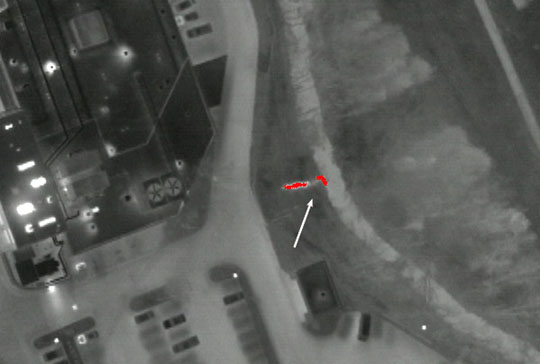
Figure 5) Thermograph of a storm drain (highlighted in red)
leaking wastewater down to the bank and joining the flow of a creek.
The leak is coming from the adjacent building.
|